Article: How to Clean Oil Stains from Clothes Effectively
How to Clean Oil Stains from Clothes Effectively
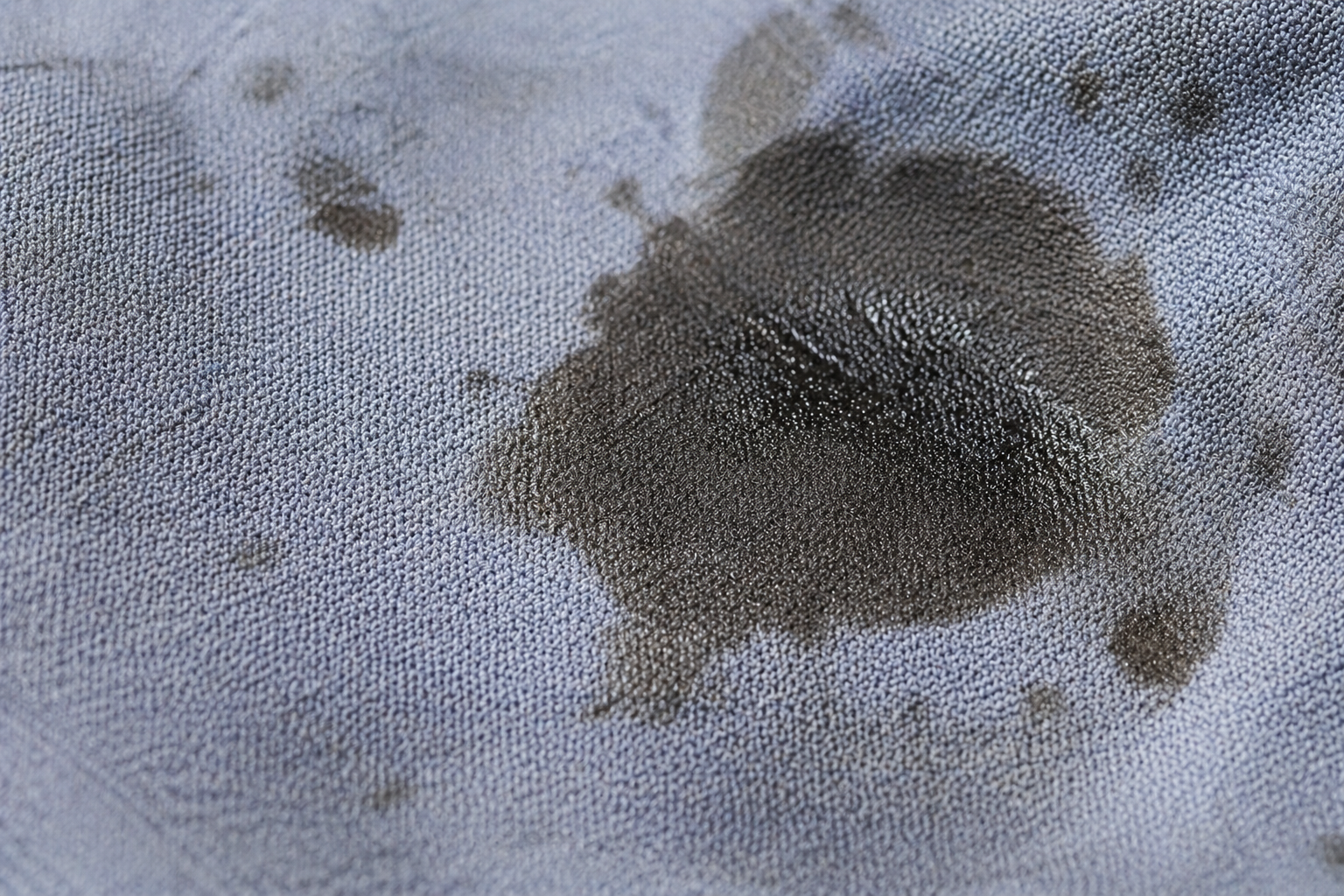
Ask anyone who has had the unfortunate experience of oil stains, and they will tell you it’s one of the most frustrating stain problems. From cooking oil for dinner prep to grease splatter to motor oil, these stains cling to almost any fabric, no matter how many times you wash them with laundry detergent.
But don’t worry. You just need to use simple, household stain remover products and the right method to bid those hard-to-remove stains goodbye! Also, with this guide, you will know exactly how to get oil stains out of clothes, when to use a laundry detergent, a household stain remover, or an enzyme stain remover for those stubborn stains.
Whether you're dealing with cooking oil, grease stains, or heavy-duty oil spills, using the right oil stain remover or laundry detergent for clothes makes all the difference. Choosing the best oil stain remover for clothes early on can prevent the stain from setting permanently and keep your garments looking fresh.
Why Oil Stains Are Hard to Remove
Oil and grease behave differently from water-based stains. They don’t dissolve in water, in fact, oil is hydrophobic, which means it repels water. Because of this, water alone won’t effectively remove oily residues from fabric. According to EBSCO Information Services, detergents work by allowing oil and water to mix through surfactants that lift grease away from fibers.
Let’s look closer at a fabric level: Oil doesn’t form a true molecular bond with fabric fibers, but it does hold on strongly through weak interactions and absorption into the fibers, especially in materials like cotton.
Scientific research on detergency shows that oily soils—particularly motor oil—are difficult to remove because they are composed of nonpolar compounds that resist water-based cleaning.
It spreads fast across the fabric, which can definitely make the stain larger than it first looks. Any form of heat can “set” the stain, making it more challenging to remove later.
And it’s because of these reasons, we need to break down and emulsify the oil first before washing. That’s where the surfactants in regular detergents help, and in some cases, an enzyme-based detergent or stain remover can further assist in breaking down stubborn grease stains.
Ready to Treat an Oil Stain?
While acting on stains immediately makes a big difference, especially with new ones, don’t forget:
- Blot - rubbing makes the stain worse, even irreversible in some cases.
- Use a clean cloth or paper towels to absorb the excess oil.
- It pays to check the fabric care label before applying any treatment.
- Avoid water; prioritize absorbing the stain then breaking it down.
Use a specialized or grease-fighting laundry detergent at this stage to help break down the oil before washing.
- Avoid putting the garment directly into a machine wash or wash cycle without pre-treatment, as regular laundry detergent alone won’t fully remove oil stains.
- Avoid any form of heat until the stain is fully gone. Heat can actually lock the oil into the fabric.
How to Remove Fresh Oil Stains from Clothes
For new stains, you can actually use any household stain remover to tackle them. Those and a lot of patience.
Method 1: Baking Soda + Dish Soap

One of the most effective and well-known household stain removers:
- Baking soda
- Liquid dish soap or liquid dishwashing detergent
- Plus, a soft brush or even an old toothbrush
Steps:
-
Sprinkle baking soda directly onto the stain. Make sure to cover the entire stain.
-
Let it sit for 15-20 minutes to absorb as much oil as it can
-
Brush the baking soda off gently
-
Add a drop of dish soap (or liquid dishwashing detergent, depending on availability); the amount depends on how big the stain is.
-
Gently scrub with your brush
-
Rinse with either warm or cold water
-
Machine wash as per fabric instructions
And if you're asking why dish soap works, it’s because it’s designed to break down grease, just how it does on dishes.
Method 2: Cornstarch
For more delicate fabrics, cornstarch can be a gentler alternative stain remover
Steps:
-
Sprinkle cornstarch onto the stain. Make sure to cover the entire stain.
-
Let it sit for 20-30 minutes to absorb as much oil as it can
-
Brush off gently
-
Wash using a mild laundry detergent.
How to Remove Set-In Oil Stains from Clothes
Dried stains are more challenging to remove, but definitely not impossible to do.
Steps:
-
Apply baking soda directly onto the stain. Make sure to cover the entire stain to pull out oil residues.
-
Work the powder into the stain using a soft brush
-
Let it sit for 20-30 minutes to break down the oil
-
Wash and check if there are no more stains
-
In case there are remaining stains, repeat the entire process
Don’t give up yet. Set-in stains may require multiple treatments, especially if they’ve been exposed to heat whether natural or artificial. Plus, there is always the option of using an enzyme-powered stain remover.
If you’ve tried all of the above and nothing worked, a last option is to use oxygen bleach or a small amount of hydrogen peroxide (for light fabrics) can help break down deep oil residues.
Best Household Items for Oil Stains
Some of the best oil stain remover solutions are just sitting under your nose.
Baking Soda
- Absorbs oil effectively
- Works on both fresh and set-in stains
Liquid Dish Soap
- Breaks down grease as it does on dishes
- Safe to use for most fabrics when used in small amounts
White Vinegar
- Use as a follow up treatment only, not as a first step
- White vinegar also helps remove residue and odors
Citric Acid
- Breaks down oil buildup
- Improves cleaning effectiveness
Sodium Percarbonate
A common ingredient in oxygen bleach that helps lift deep stains
Laundry Detergent
Laundry detergent helps wash away loosened oil
Read more about other stain removers here.
When DIY is Not Good Enough
Yes, there are cases when a DIY with any household stain remover item won’t work, for example:
- Years old, dried stains
- Motor oil or industrial oils
- Heavy grease buildup
- Stains that have gone through the dryer
It’s time to use a different approach to get the job done.
When to Use an Enzyme Remover
An enzyme stain remover helps break down complex stains, including oil and grease
Compared to regular cleaning products, an enzyme-based detergent works at a deeper level to break apart oil molecules stuck in fabric.
It works because:
- Enzymes target and break apart oil and grease molecules
- They penetrate deep into almost any fabric fibers
- Compared to the ingredients of household items, it’s more effective on stubborn or set-in stains
- Natural laundry stain removers with enzyme-based detergents tackle stubborn stains effectively while remaining gentle on sensitive skin
Use it:
- For thick and heavy grease stains
- When household stain remover items haven’t fully removed stains
- For years old, dried stains
- Natural laundry stain remover solutions are often the best next step when DIY methods fail, especially if you want effective cleaning without any B.S. (Bad Stuff)
How to:
-
Apply directly to the stain
-
Let it sit for at least 30 minutes
-
Wash according to the fabric care label
How to Remove Different Types of Oil Stains
Oil stain treatment depends on the source, here’s a few to keep in mind:
Cooking Oil
- Usually lighter and easier to remove
- Use baking soda and dish soap
Grease (Food or Butter)
- Slightly thicker compared to cooking oil
- May need several treatment powder and dish soap
Motor Oil
- Heavier and darker
- Best to use an enzyme-powered stain remover
Salad Dressing (Vinaigrette)
- Usually contains oil + acids, making it challenging to remove
- Start by using baking soda, then followed by dish soap
Pesto stains
- Oil based pasta sauce
- Remedy with use of powder for absorption + mild detergent
Industrial Grease
- Thick and deeply embedded
- Needs enzyme-based detergent for best results
Candle Wax (Oil-based residue after removal)
- Remove the wax first, then treat the leftover oil stain
- Apply baking soda then wash
How to Treat Oil Stains on Different Fabrics
Consider the fabric type when choosing a cleaning method as well.
Synthetics (Polyester, Spandex)

- Not as absorbent as cotton or even linen, but can still trap oil
- Scrub gently and avoid using harsh chemicals.
Here’s more tips on how to tackle stains on polyester.
Natural Fibers (Cotton, Linen)

- Absorbs oil more
- Treating with baking soda and dish soap is usually enough
Delicate Fabrics

- Use cornstarch and mild detergent
- Avoid scrubbing, but if needed, brush gently
Always refer to the fabric care label to avoid damage.
Bonus Tip: Prone to similar oil stains on your upholstery and carpets? Use the same approach, but always test first on a small area
Some things to avoid:
- Don’t use hot water as heat can set stains permanently
- Don’t put the stained clothes in the dryer as well, air dry is best
- Don’t brush aggressively as this can damage fabric fibers and in some cases even spread the stain
- Don’t skip pre-treatment, especially for stains that need extra help lifting before a wash cycle.
- Don’t rely on any clothes washer without any pre-treatment, as oil stains need to be broken down first
FAQs:
Q: How do you get dried oil stains out of fabric?
A: The first option is to apply baking soda to absorb the remaining oil, then use dish soap. If it doesn’t work, another option is to use an enzyme stain remover for clothes. For both cases, repeat as needed and air dry.
Q: What is the best stain remover for clothes?
A: It’s a case-to-case basis, but in general enzyme-based products are considered the best stain remover for oil and grease stains as they break down molecules more effectively than other alternatives.
Q: How do you remove grease stains from clothes that have already been washed?
A: Use dish soap as if you’re pre-treating them or an enzyme-powered stain remover. Washing alone won’t remove set-in grease, especially after drying.
Q: Do oil stains eventually come out of clothes?
A: Most of the time it does, it may take several treatments for some stains to completely come out of clothes.
Q: Is hot or cold water better for removing stains?
Avoid using hot water until the stain is fully removed to avoid the oil setting into the fabric. Only then can you use cold or warm water for washing.
Having oil stains is not the end of the world (or of your favorite short or dress), with the right approach, you can remove almost any oil stain.
Start with household items like baking soda and dish soap, and then enzyme stain remover if still needed. Consider the fabric, avoid heat too early, and always check before drying. Do these and get to save your favorites and wear them longer.