
Refill, Don’t Replace: The Smarter Way to Restock Your Cleaning Products
What if one small change in how you restock cleaning products could cut down plastic waste, save storage space, and simplify your routine—without changing how you clean at all?
When a cleaning product runs out, most of us follow the same routine: toss the empty bottle and buy a new one. It’s convenient—but it also creates a surprising amount of waste over time.
Refill systems offer a simple alternative. Instead of replacing the entire bottle every time, you keep the container and refill it when the product runs out. It’s a small shift in habit that can reduce waste, save space, and often lower long-term costs—without changing how well your cleaning products work.
Why Traditional Cleaning Bottles Create So Much Waste
Most household cleaning products are packaged in single-use plastic bottles. Every time a product runs out, the entire container is discarded—even though the bottle itself could last for years.
For many households, this means going through dozens of plastic cleaning containers every year. Spray cleaners, dish soap, laundry detergent, and other products all come in separate bottles that are regularly replaced.
Even when bottles are technically recyclable, they often don’t get recycled. Cleaning containers frequently include pumps, sprayers, and mixed materials that make them harder to process in standard recycling systems. As a result, a large portion of these bottles end up in landfills.
Another overlooked issue is that most cleaning products are primarily water. Many ready-to-use cleaners are largely diluted formulas, meaning companies are shipping heavy plastic bottles filled mostly with liquid that could easily be added at home.
When you multiply this across millions of households, the environmental and logistical impact becomes significant.
What a Refill System Actually Looks Like
Refill systems are designed to reduce packaging while keeping cleaning routines simple.
Instead of purchasing a brand-new bottle each time, you keep a durable container and restock it using refill formats such as:
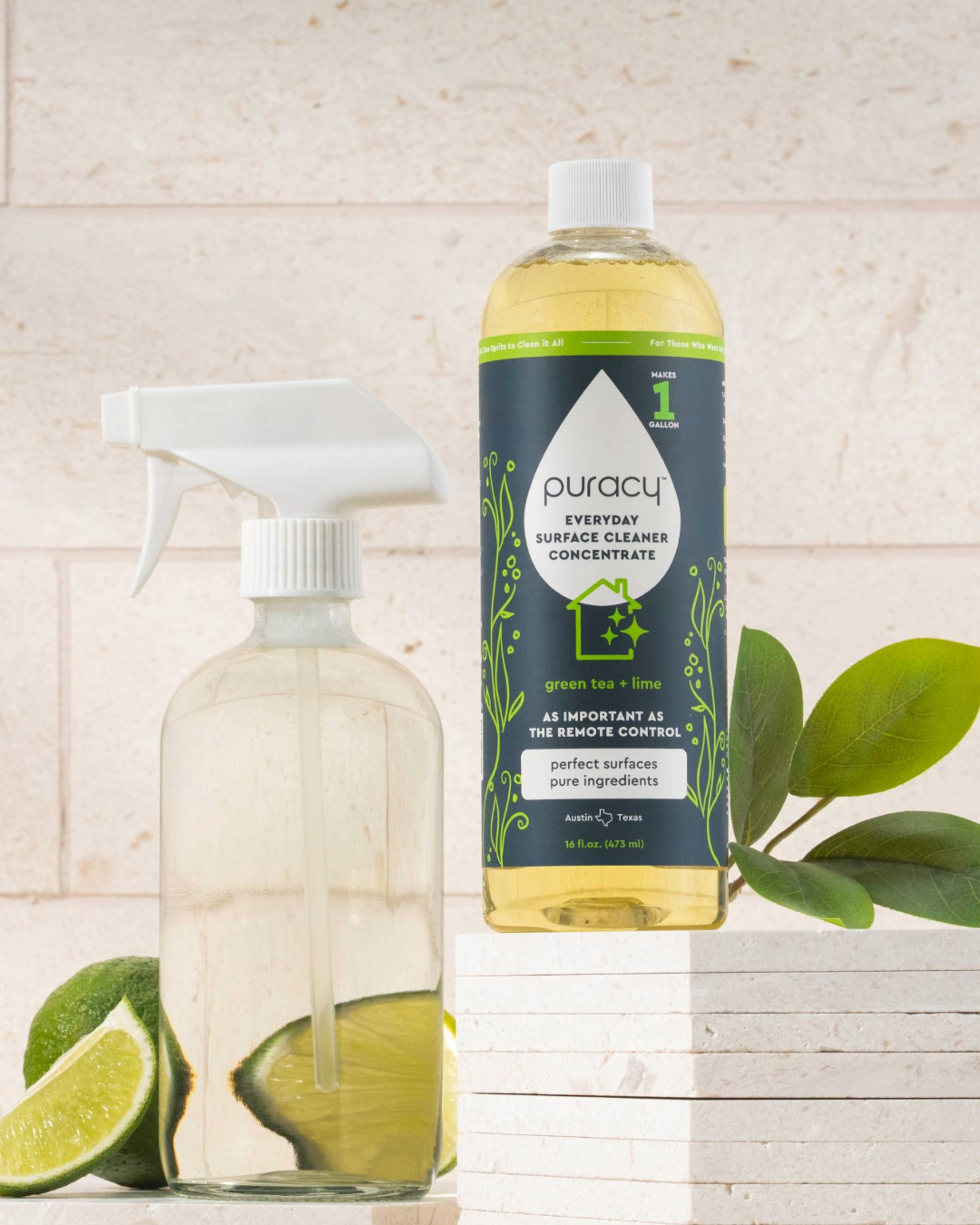
- Concentrated liquids
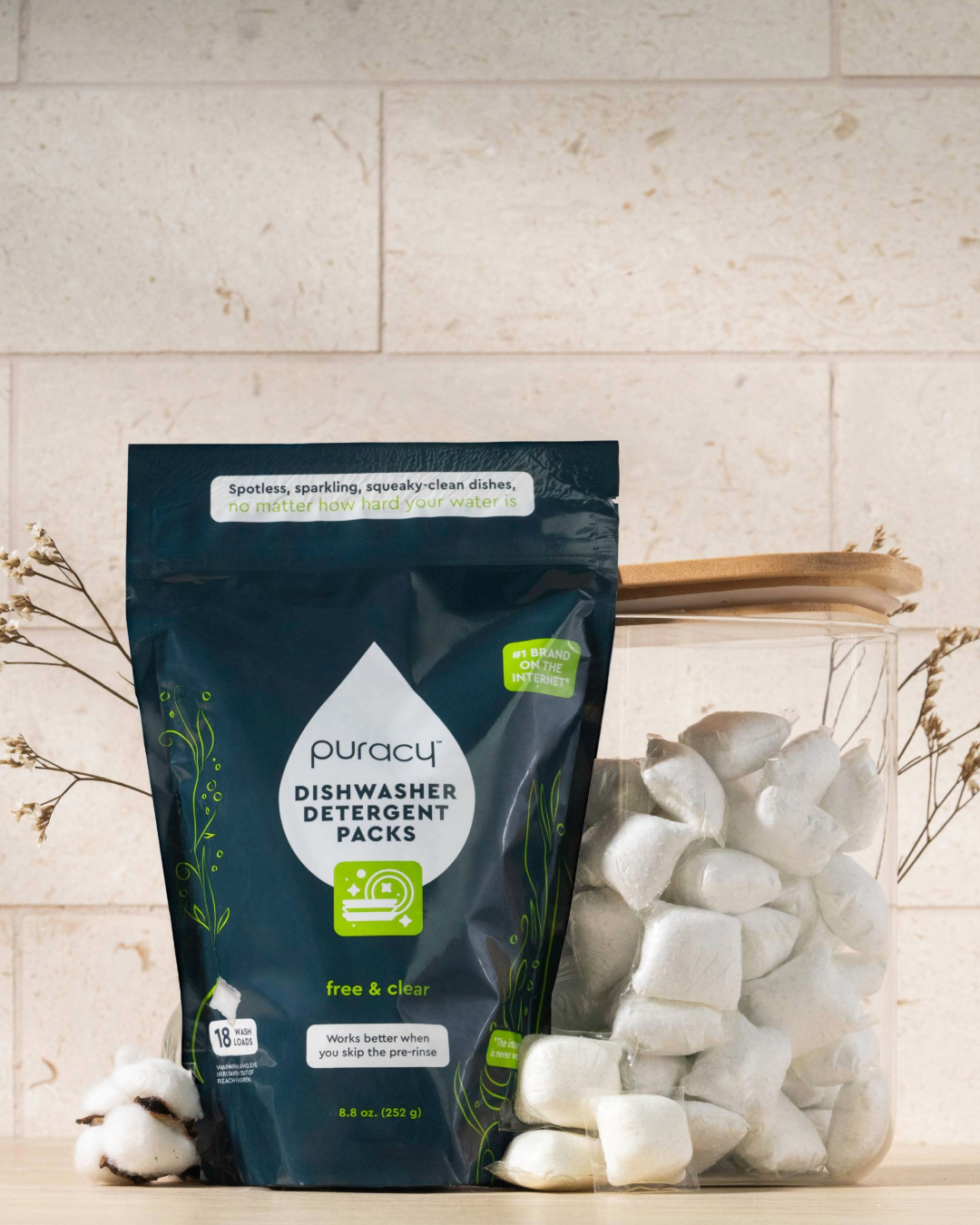
- Dissolvable tablets
- Flexible refill pouches
The process is straightforward. You keep your existing bottle, add water if the product is concentrated, and then add the refill. Within seconds, you have a full bottle ready to use again.
Because refill packaging is typically smaller and lighter than full bottles, it uses less material overall. The result is a system that maintains the convenience of liquid cleaners while cutting down on unnecessary packaging.
The Benefits of Refilling Instead of Replacing
Switching to refill systems offers several practical benefits beyond reducing waste.
Less plastic waste
The biggest advantage is cutting down on single-use plastic. By keeping the same bottle and refilling it multiple times, you significantly reduce the number of containers you throw away.
Less shipping weight
Concentrated refills are lighter and more compact than traditional bottles. This means fewer materials used in packaging and more efficient transportation.
Less storage clutter
Refill packs often take up much less space than full-sized bottles. Instead of storing multiple bulky containers under the sink, you can keep a few reusable bottles and a small supply of refills.
Over time, this approach can make both your cleaning routine and your storage spaces simpler.
The Easiest Products to Start Refilling
If you’re interested in trying refill systems, the easiest way to start is with products you already use frequently.
Some of the most common refill-friendly options include:
These products tend to run out regularly, which makes them ideal candidates for refill options. Switching even one or two of them can noticeably reduce the number of plastic containers you buy each year.
How to Build a Simple Refill Routine
One reason refill systems work well is that they don’t require major lifestyle changes. A few small habits can make the transition easy.
Keep your bottles
Start by choosing durable bottles that you’re comfortable reusing long term.
Store refills in one place
Keeping refill packs together in a cabinet or bin makes them easy to find when you need them.
Restock when the bottle runs low
Instead of throwing away the container, simply add the refill and continue using the same bottle.
After a few cycles, refilling becomes just another part of your regular routine.
Small Change, Big Impact
Sustainable habits don’t have to be complicated. Often, the most effective changes are the simplest ones.
Refill systems work because they focus on the part of cleaning products that gets replaced most often—the packaging. By keeping bottles and restocking the product inside them, households can significantly reduce unnecessary waste while maintaining the same cleaning performance.
If you’re curious about trying refills, start with just one product. Once you see how easy it is, expanding your refill routine can happen naturally over time.
Sometimes the smartest upgrade isn’t replacing what you use—it’s simply refilling it.