How to Remove Ink Stains from Clothes: Step-by-Step Guide
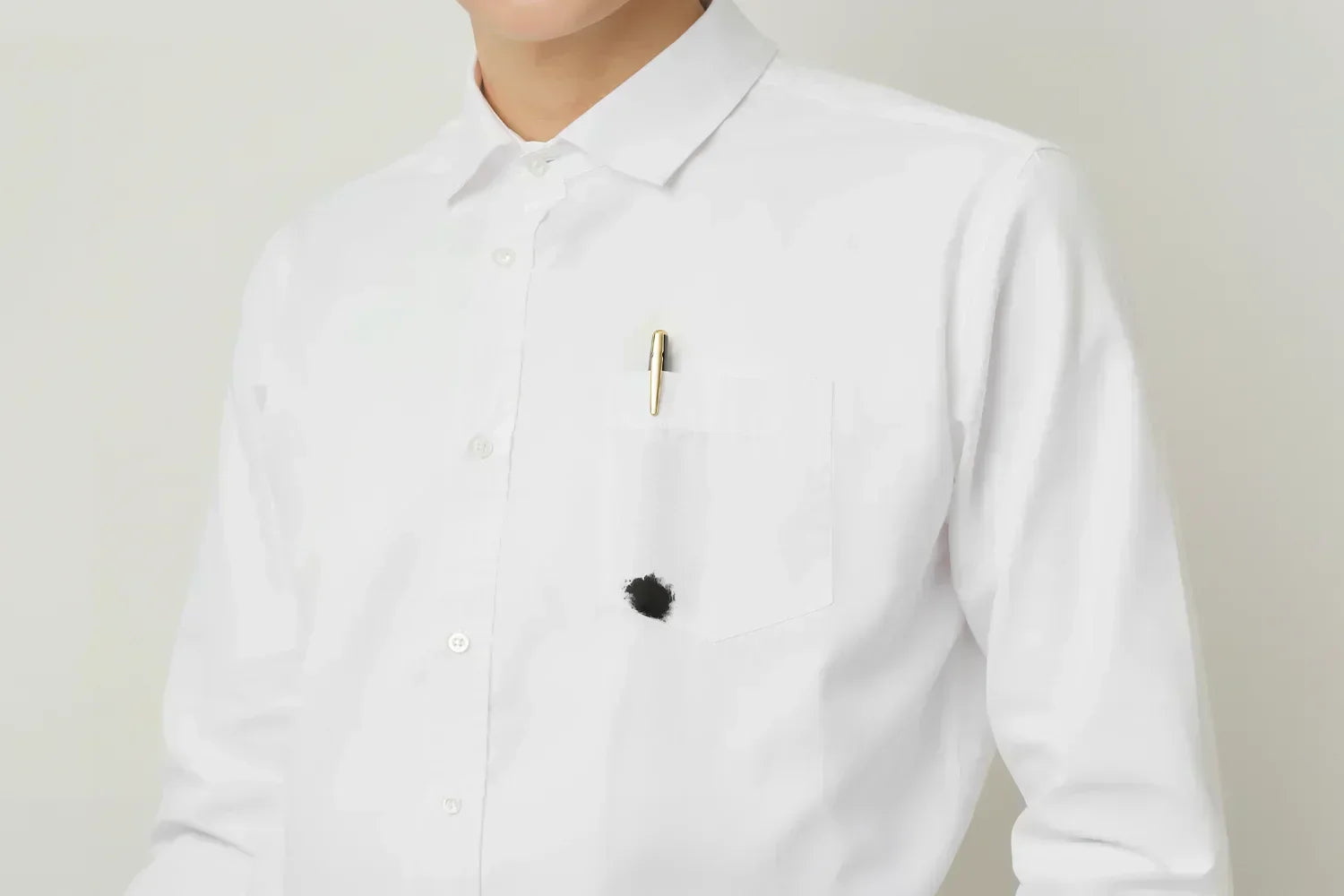
One second you’re jotting down a note, the next your pen leaks and leaves a streak of ink across your favorite shirt. Panic ensues. You panic because ink feels permanent and seems impossible to remove.
The good news? Knowing how to remove ink stains from clothes properly makes all the difference. But to understand why the right method matters so much, it helps to first look at what makes ink stains so frustrating to clean.
Ink stains is easily one of the most frustrating stains simply because of how it behaves. Unlike dirt and most food stains that sit mostly on the surface, ink is designed to bond with materials.
What makes it worse is that most people just throw their ink-stained garment straight into a washing machine or rub the stain aggressively out of frustration. Also, heat from the dryer can permanently set the pigments, making some impossible to remove after. Goodbye, favorite shirt!
It’s important to know the different types of ink and how it behaves to help you determine which treatment to use.
Different Types of Ink
Not all ink is created equal. Before you do anything, it certainly helps to know what you’re up against.
Ballpoint ink is made of dyes, solvents, lubricants, and resin, which are mostly oil-based compounds that tend to dry quickly and cling to fabric fibers.
Gel ink is water-based but highly pigmented. It is made for maximum color saturation, which means it can penetrate fabric quickly and is more prone to smudging.
Permanent marker ink is made of alcohol-based solvent, resin, and colorant. The stains are especially stubborn on clothing because they are formulated to adhere strongly to surfaces.
Each type interacts differently with fabric, which is why a one-size-fits-all laundry detergent often falls short.
Water-Based Ink is commonly used in markers and in some gel pens. It spreads quickly through almost any fabric but is often easier to remove compared to other types of ink stain. Make sure to blot the stain as soon as possible and treat it with rubbing alcohol or an enzyme-based stain remover before it sets.
Oil-Based Ink is usually found in ballpoint pens which contain oils and resins that cling tightly to most fabric fibers, making it challenging to remove. Use an enzyme-based stain remover or rubbing alcohol to help break down the oily components.
How Ink Type Affects Removal Method
Water-based inks usually rinse out more easily, while oil-based inks require solvents or enzyme-based stain removers to break down the oils holding the stain in the fabric.
Some ink stains may look small at first, but they can spread through fabric quickly. Also, early stain pretreating helps stop the stain from setting deeper into the fibers.
Why Do Ink Stains Set So Quickly?
When any of the ink types mentioned lands on cloth, capillary action pulls the liquid deeper into the weave. The longer it sits, especially if exposed to heat, the more it bonds with the fibers. That’s why immediate and proper treatment is crucial if you want to successfully get ink stains out of clothes.
Common Mistakes People Make with Ink Stains
One of the most common mistakes people make is not just rubbing the stains, but doing it aggressively. Applying that method often results in the ink stain spreading and actually locks it into the fabric. Making the task more daunting.
Another is applying any form of heat, from pouring or blotting with hot water or putting the garment in the dryer. Heat causes ink dyes to bond permanently with fabric.
Using bleach immediately is another common mistake, it can cause damage on certain fabrics or discoloration. Try other methods first, bleaching should be a last resort, if at all.
Does Dish Soap Remove Ink Stains?
It depends. Dish soap can definitely help with some ink stains, especially those from oil-based pens like ballpoint ink. A small amount of dish soap can break down oils that hold the pigment in fabric. However, it’s usually less effective on permanent markers or heavily set stains. For tougher stains, a targeted enzyme-based stain remover is often more reliable.
Why Regular Detergent Won’t Get the Job Done
Most laundry detergents are formulated to remove everyday soils like sweat, dirt, and food residue. While they’re excellent for general cleaning, they aren’t always designed to break down the oils and complex pigments found in ink. That’s where a specialized solution becomes important.
And while ink stains can be tricky, they’re just one of many types of stains you might encounter. If you’re dealing with other stubborn marks as well, our ultimate guide to removing stains covers additional methods and tips.
How Enzyme-Based Stain Removers Work
When learning how to remove ink stains from clothes, chemistry matters.
Stain removers with active enzymes target organic compounds of ink such as dyes, solvents, lubricants, and resin, breaking large stain molecules into smaller, washable particles. Some of these enzymes are:
Protease, which breaks down protein-based stains
Lipase, which is particularly effective on oils and fats
Amylase, which addresses binders and residues
Usually, these stain remover formulas have slight alkalinity and thus gentle pH balance helps lift pigments from fabric fibers without the need for harsh solvents or bleach.
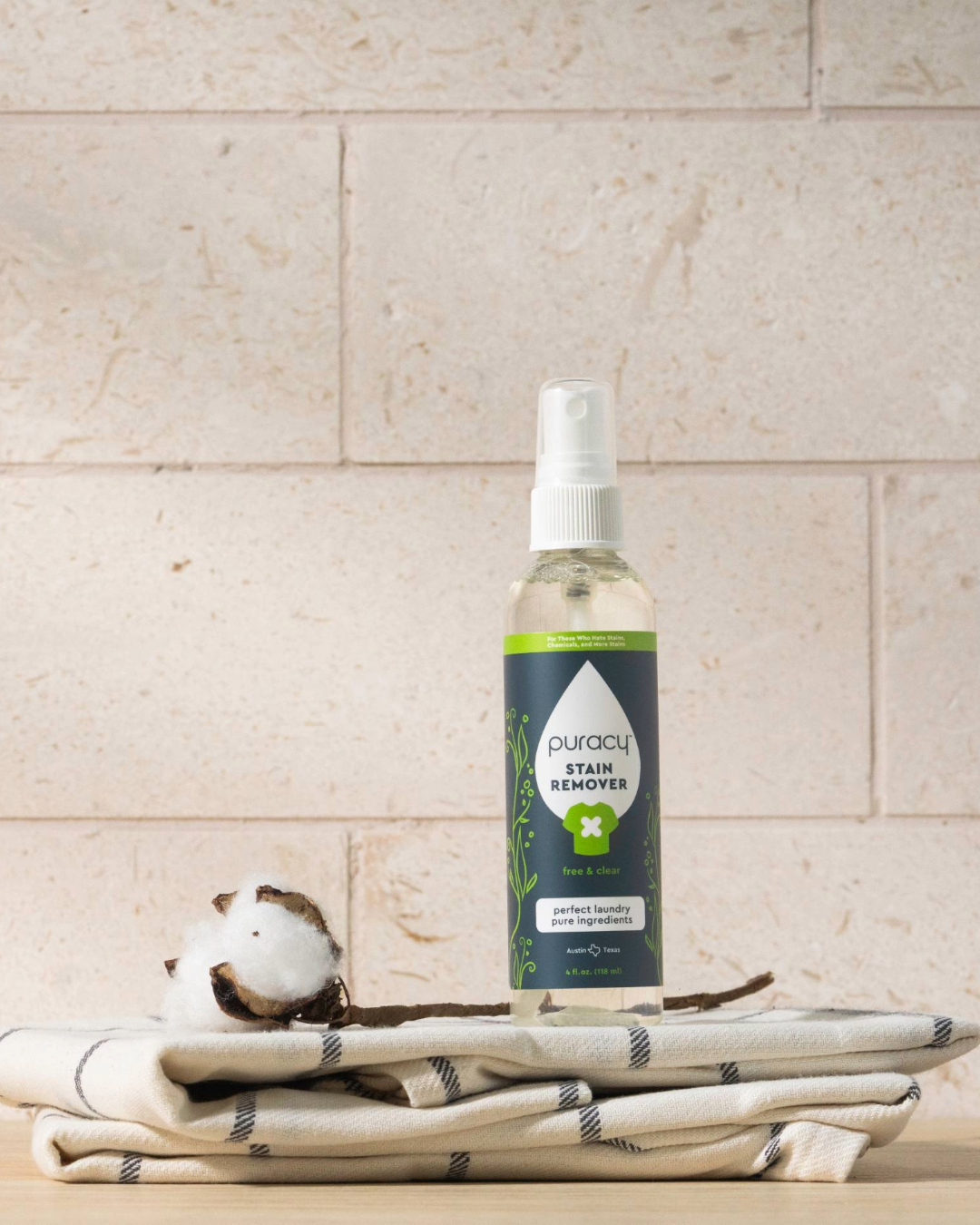
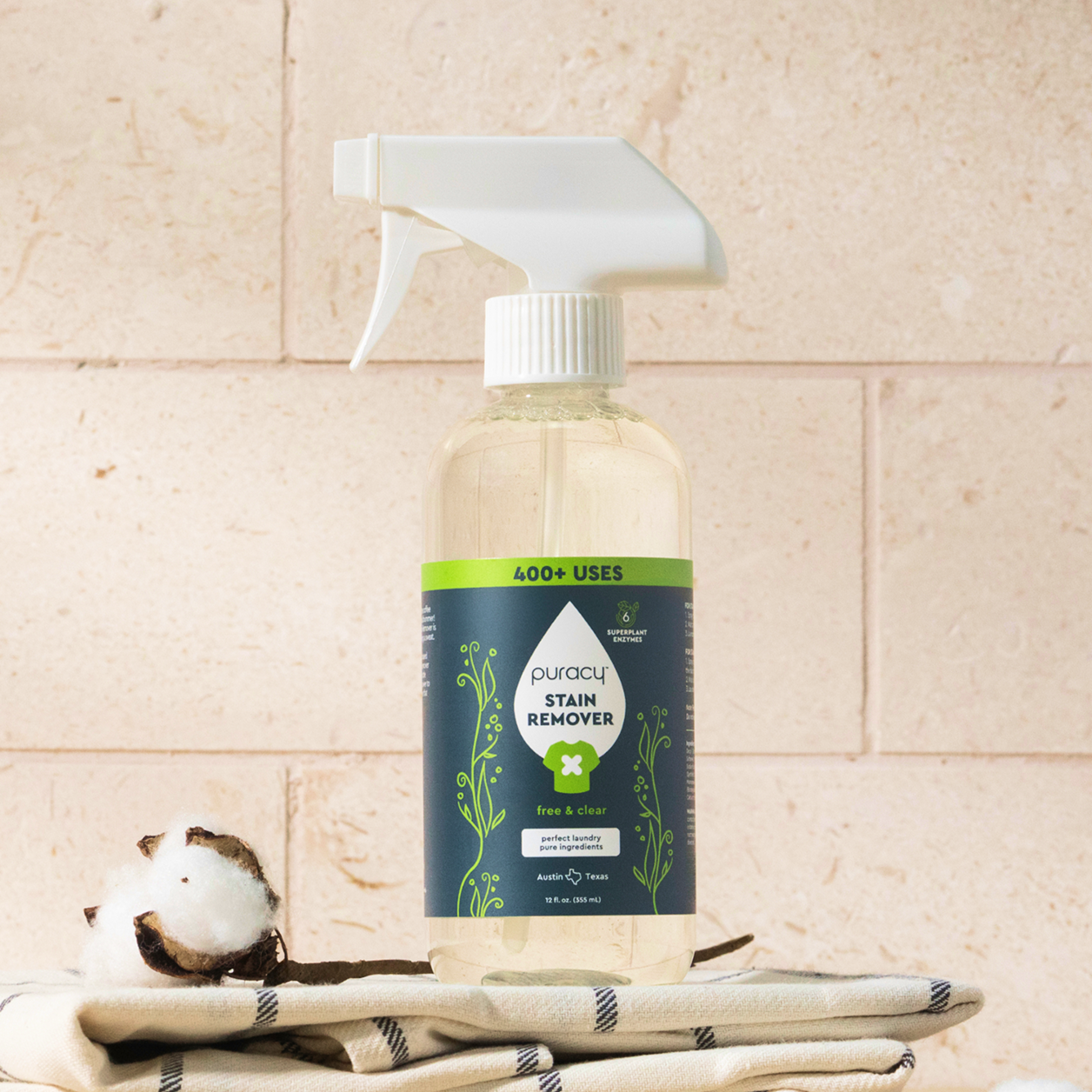
One good example is the stain remover from Puracy which did very well against some leading chemical-based competitors in a third-party testing. Even with its milder formulation, it ranked in the top three for ink removal performance. That means you get powerful results without exposing your clothing or your family to unnecessary bad stuff.
Step-by-Step Guide: How to Get Ink Stains Out of Clothes
Step 1: Blot — Don’t Rub
Blot the ink gently with a clean, dry cloth or paper towel. Don’t brush or wipe, it just spreads the stain and pushes it deeper into the fibers.

Step 2: Apply the Stain Remover
Use an enzyme-based stain remover directly onto the stained area. Ensure the fabric is saturated at the site of the stain. Other options for stubborn or older stains include white vinegar, rubbing alcohol, cold water, and hand sanitizer.
Step 3: Let It Sit
Let the solution sit for at least 15 minutes. For tougher stains, longer time may help.
Step 4: Blot Again
Gently blot again to lift the loosened pigment.
Step 5: Launder as Usual
Wash with a laundry detergent according to garment instructions. Avoid drying until you see that the stain is fully removed.
Repeat as Needed
Ink stains may require multiple treatments. Repetition is normal and often necessary for complete removal.
How to Deal with Dried or Set-in Stains
Are you feeling hopeless as you deal with some set-in stains? You’re not alone. In fact, it’s more common than you think and there’s actually quite a few solutions you can try before your favorite shirt or dress says hello to the trash bin. Here’s some of them:
White Vinegar: Mix this condiment with water in a ratio of 1:1 for better application. You can use this to lift dried stains on lighter fabrics such as white cotton shirts, linen table cloths, socks, and the likes.
Rubbing Alcohol: Particularly effective for those set-in gel and ballpoint ink. Just apply a small amount to the stain, let it sit between 10-15 minutes, then blot.
Cold Water Soak: Rinse the stain using cold water, just be sure to hold the fabric with the stained side down to prevent the ink from spreading. And remember, there are certain types of ink like printer ink, ballpoint ink, and such, that can permanently settle in the fabric if you use hot water on them.
Hand Sanitizer: If you’re outside your home, this is one of the options you can try. Those with at least 60% alcohol content makes it useful for fast action on dried ink.
Baking Soda: Another solution you can do at home is mixing baking soda with some water to form a paste. Then, apply it lightly to the stain, let it sit for a few minutes, then rinse with cold water.
For set-in stains, repeat the treatment if needed. Blot the area, apply rubbing alcohol or stain remover, and rinse with cold water before washing.
Tips by Fabric Type
Here are different ink stain removal techniques for different fabrics:
Linen: Handle carefully. Gently blot and use cold water. Don’t scrub.
Polyester and Synthetics: Use alcohol-based solvents such as rubbing alcohol.
Blouses and Shirts: Blot carefully and as long as needed. Use cold water to prevent discoloration and spreading of stain.
Cotton: Use strong solvents such as acetone and rubbing alcohol. For best results, blot and treat immediately.
Jeans/Denim: Soak then gently scrub, but limit to stained area.
Silk Fabric: Don’t use strong solvents. Blot gently and test any treatment first on a hidden area.
Prevention Tips
While knowing how to remove ink stains from clothes is valuable, prevention is even better.
- Avoid putting your pens in pockets.
- Check all your pockets before washing.
- Store pens with caps secured.
- Keep permanent markers away from delicate fabrics.
FAQs
Q: What is the best stain remover for ink on fabric?
A: The best would be a stain remover that effectively removes stains and doesn’t compromise the quality of the fabric. Look for enzyme-based stain removers because they not only get the job done, but are relatively better for your home and the environment compared to chemical-based ones.
Q: Can you get ink out of clothes after they’ve been dried?
A: Yes, while it’s more challenging to remove compared to fresh ink stains, there are several solutions you can use. Make sure to use the right product and technique, and in some cases repeated treatments may be necessary.
Q: What removes permanent ink from clothing?
A: You can use an enzyme-based stain remover, rubbing alcohol, or white vinegar. Repeated blotting is key.
Q: Does rubbing alcohol remove ink stains?
A: Rubbing alcohol is effective on some ink stains like gel and ballpoint inks.
Q: How do you remove pen stains from white clothes?
A: You can start with cold water to blot first, then follow with rubbing alcohol or hand sanitizer. It’s important that you follow with a mild laundry detergent and avoid heat at all costs until the stain is gone.
Q: What household items remove ink stains?
A: There are plenty of household items you can use to treat stains such as white vinegar, rubbing alcohol, hand sanitizer, or simply cold water. While all these certainly help at removing stains and certainly cost-effective, it will certainly not hurt your cause to have an enzyme-based stain remover on hand.
Q: Can nail polish remover remove ink stains?
A: Nail polish removers that contain acetone might work, it can dissolve certain ink pigments. Test first on a hidden area since it may damage delicate fabrics.
It’s important that you quickly act on stains for a better chance of removing them, and it’s equally crucial to apply proper cleaning techniques and use the most effective products, so you can save your favorite clothes without harming the fabric, yourself, or the environment.