
Declutter First, Clean Faster: The Simple System That Saves Time
Cleaning often feels like a never-ending chore, not because it’s inherently difficult, but because of how it’s approached. Many people jump straight into wiping, scrubbing, and vacuuming—only to find themselves constantly moving objects around. This inefficient workflow wastes time and energy. The real culprit isn’t dirt—it’s clutter.
Why Cleaning Feels Time-Consuming
A major reason cleaning drags on is the sheer number of items scattered across surfaces. When countertops, tables, and floors are crowded, every cleaning step requires repositioning objects. You wipe half a surface, move things aside, then go back again—doubling your effort.
This stop-and-start process breaks momentum and creates frustration. Studies in home organization consistently show that visual clutter also increases cognitive load, making tasks feel more overwhelming than they actually are.
The Declutter-First Strategy
The simplest way to clean faster is to declutter before you clean. Start by removing all visible items from surfaces. This doesn’t mean organizing everything perfectly right away—just get things out of the way. Use bins or baskets to temporarily hold items so you can sort them later.
The goal is to create completely clear surfaces. Once everything is removed, cleaning becomes dramatically easier. Instead of navigating around objects, you can wipe, disinfect, or dust in one smooth motion. This approach reduces total cleaning time because you’re eliminating redundant steps. It also ensures you don’t miss hidden spots where dirt and bacteria often accumulate.
Clean High-Impact Areas
After decluttering, focus on areas that make the biggest visual and functional difference. Counters, tables, and sinks are high-impact zones because they’re used frequently and noticed immediately. Cleaning these surfaces first creates a sense of instant progress.
Don’t forget high-touch spots such as doorknobs, light switches, and faucet handles. These areas can harbor germs due to frequent contact, so giving them quick attention improves both cleanliness and hygiene. By prioritizing these key zones, you get the maximum result with minimal effort.
Use Multi-Tasking Products
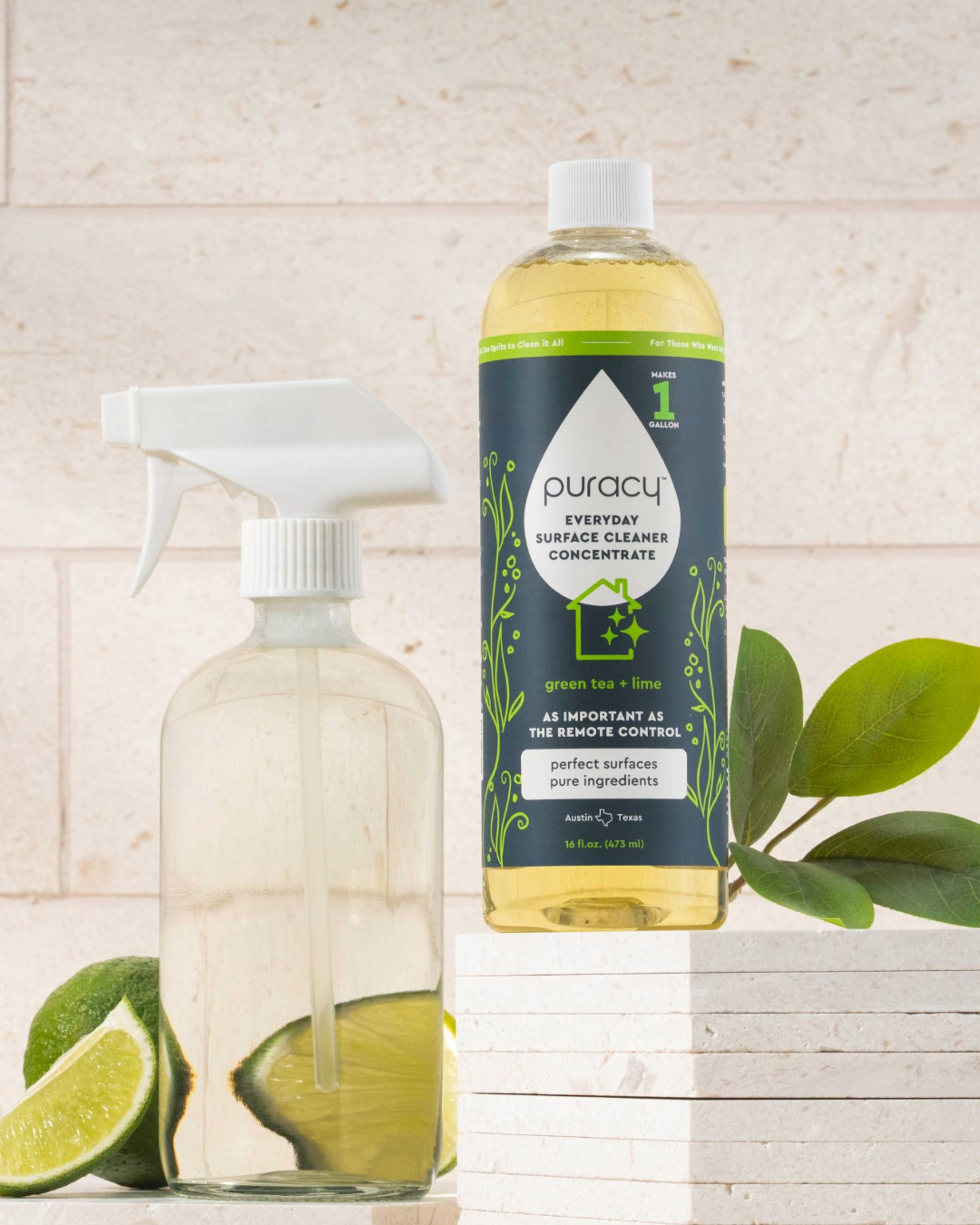
Another way to speed up your routine is by using multi-purpose cleaning products. Switching between different cleaners for glass, wood, and surfaces adds unnecessary steps. A reliable all-in-one cleaner can handle most tasks, reducing time spent grabbing and switching supplies.
Microfiber cloths are also highly effective because they can trap dust and dirt without needing multiple passes. Pairing efficient tools with simplified products streamlines your workflow and minimizes interruptions.
Maintain the System
The real power of the declutter-first method comes from consistency. A quick daily reset—just five to ten minutes—can keep clutter from building up again. Put items back where they belong, wipe down key surfaces, and keep only essential items visible.
Maintaining minimal surfaces doesn’t just make cleaning easier—it prevents mess from accumulating in the first place. Over time, this habit reduces the need for deep cleaning sessions, saving even more time.
Make It Effortless
Consistency is easier when you’re always prepared. Keeping your cleaning supplies stocked ensures you never delay or skip your routine. When everything you need is within reach, cleaning becomes a quick, seamless part of your day rather than a dreaded task.
By simply changing the order of your routine—declutter first, then clean—you eliminate wasted effort, speed up the process, and achieve better results. It’s a small shift that makes a big difference.