
How Scent Shapes Our Sense of Cleanliness
The “Clean Feeling” Isn’t Just Visual
Most of us have experienced this: you finish cleaning a room, surfaces are wiped down, everything is in place—but something still feels off. Then you open a window, spray a light fragrance, or use a scented cleaner, and suddenly the space feels complete.
That final shift isn’t imaginary. Our sense of cleanliness is not purely visual; it’s multisensory. Smell plays a surprisingly powerful role in how we evaluate our environment, often acting as the final confirmation that a space is truly “clean.”
The Science of Scent & the Brain
Smell is one of the most emotionally influential senses we have. When we inhale a scent, odor molecules travel through the nose and activate the olfactory system, which is closely connected to the brain’s limbic system—the region responsible for emotion and memory, including structures like the amygdala and hippocampus.
This is why scent can instantly trigger vivid memories or emotional responses. Psychologists sometimes refer to this phenomenon as the “Proust effect,” named after author Marcel Proust, who described how a smell could unlock detailed, emotional memories from the past.
Compared to visual cues, scent bypasses more rational processing pathways and connects more directly to emotional centers. That’s why a fragrance can make a space feel comforting, nostalgic, energizing, or clean almost instantly.
Why Scent Signals “Clean”
Our brains also learn to associate certain scents with cleanliness over time. These associations are both cultural and personal.
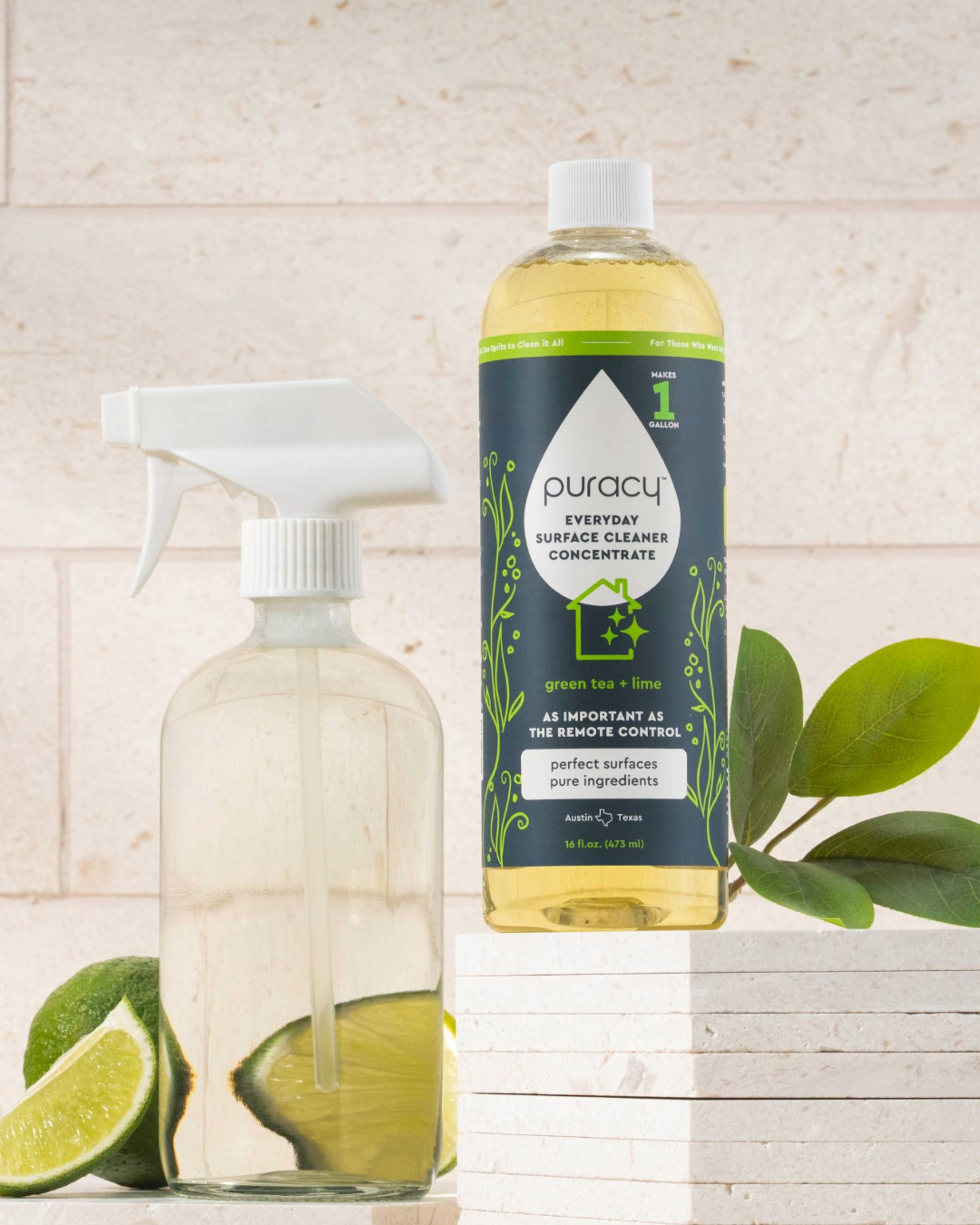
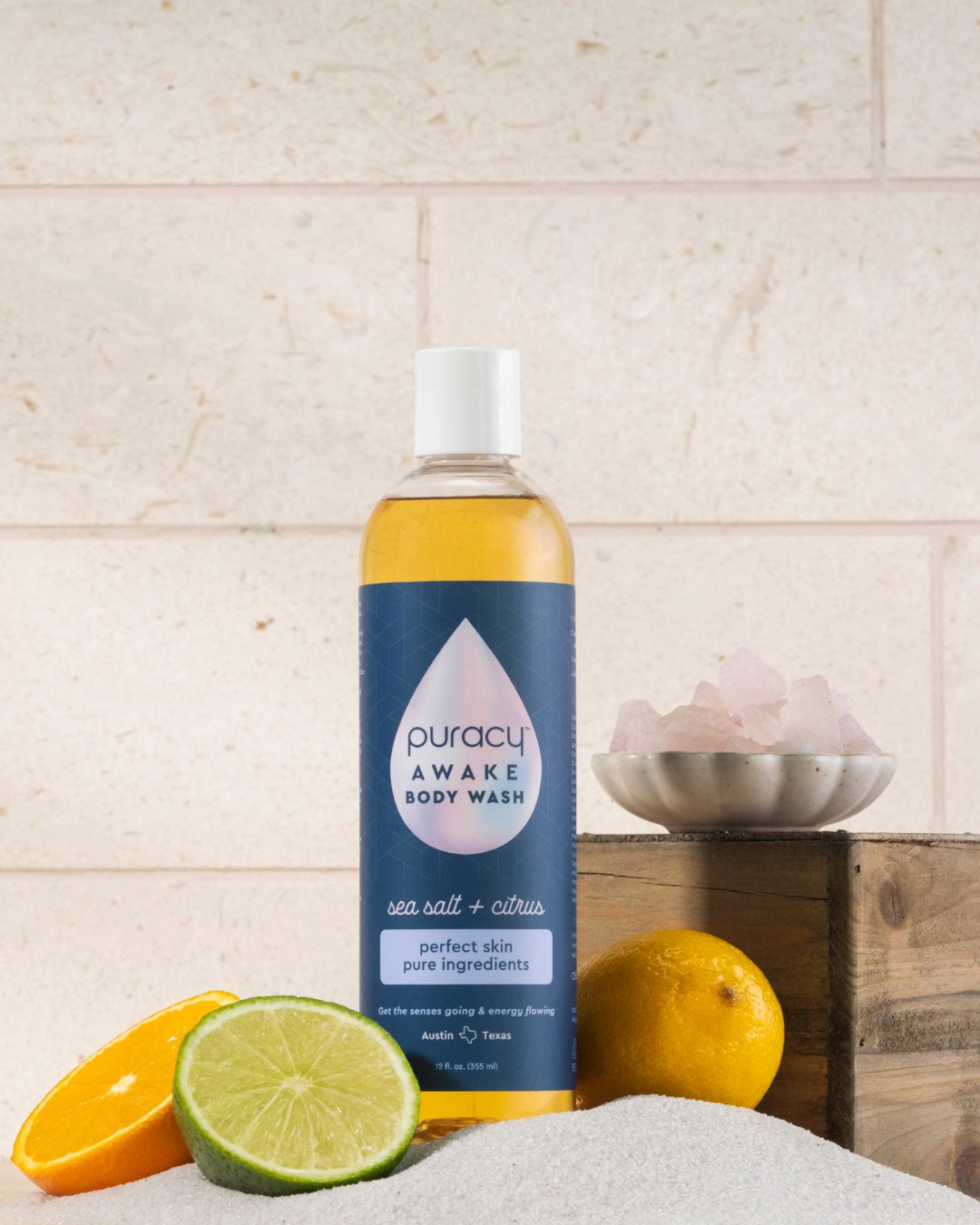
For example, citrus scents are widely linked to freshness and sanitation, partly because citrus oils have historically been used in cleaning products. Similarly, light herbal or airy scents often signal “fresh air” or “purity,” while overpowering or stale odors tend to suggest the opposite.
Over time, cleaning routines reinforce these associations. If a space consistently smells like lemon after it is cleaned, the brain begins to treat that scent as a shortcut for “this is clean.” Eventually, even before you see the results of cleaning, the smell alone can trigger a sense of order and satisfaction.
How Scent Impacts Motivation & Routine
Scent doesn’t just influence perception—it can also shape behavior.
Pleasant fragrances can make repetitive tasks like cleaning feel more enjoyable, which increases the likelihood that we stick to those routines. When a task feels rewarding, the brain releases small bursts of positive reinforcement, making it easier to repeat the behavior in the future.
This is why scent is often used intentionally in hospitality, retail, and wellness spaces. It helps create emotional consistency and encourages people to associate routines with comfort rather than effort.
Choosing the Right Scent for Your Space
Different rooms benefit from different scent profiles based on how we use them.
Kitchens often pair well with light, fresh scents such as citrus or herbal notes, which help neutralize strong food odors without overwhelming the space. Bathrooms tend to work best with subtle, clean scents like eucalyptus or soft florals that reinforce a sense of freshness without becoming heavy in small areas. Living spaces, on the other hand, benefit from gentle, balanced scents that feel inviting but not distracting.
Personal preference also matters more than strict rules. The “right” scent is ultimately the one your brain associates with comfort and cleanliness.
Bringing It Into Your Routine
Incorporating scent into your cleaning routine doesn’t require major changes. Small adjustments can create a noticeable shift in how your home feels.
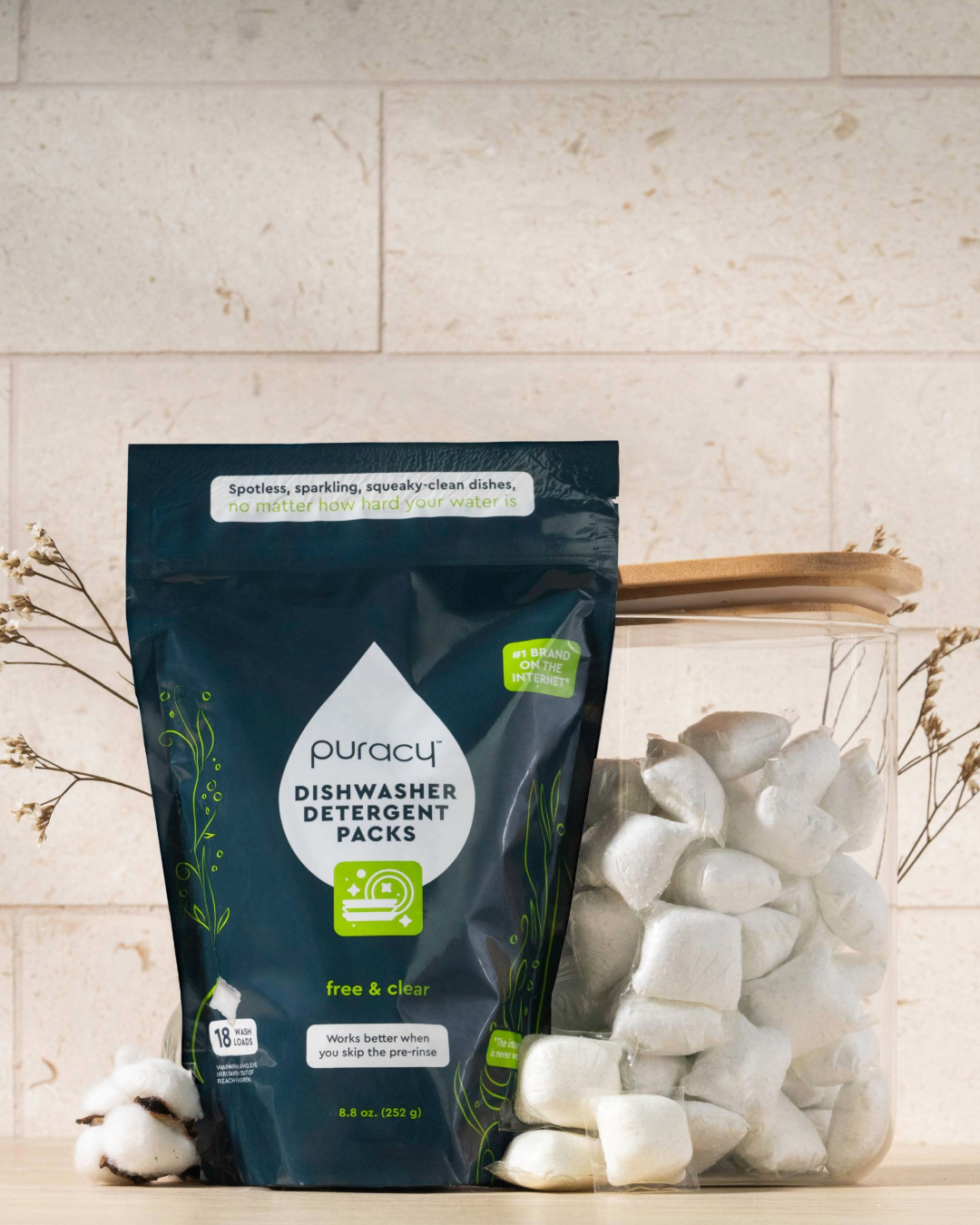
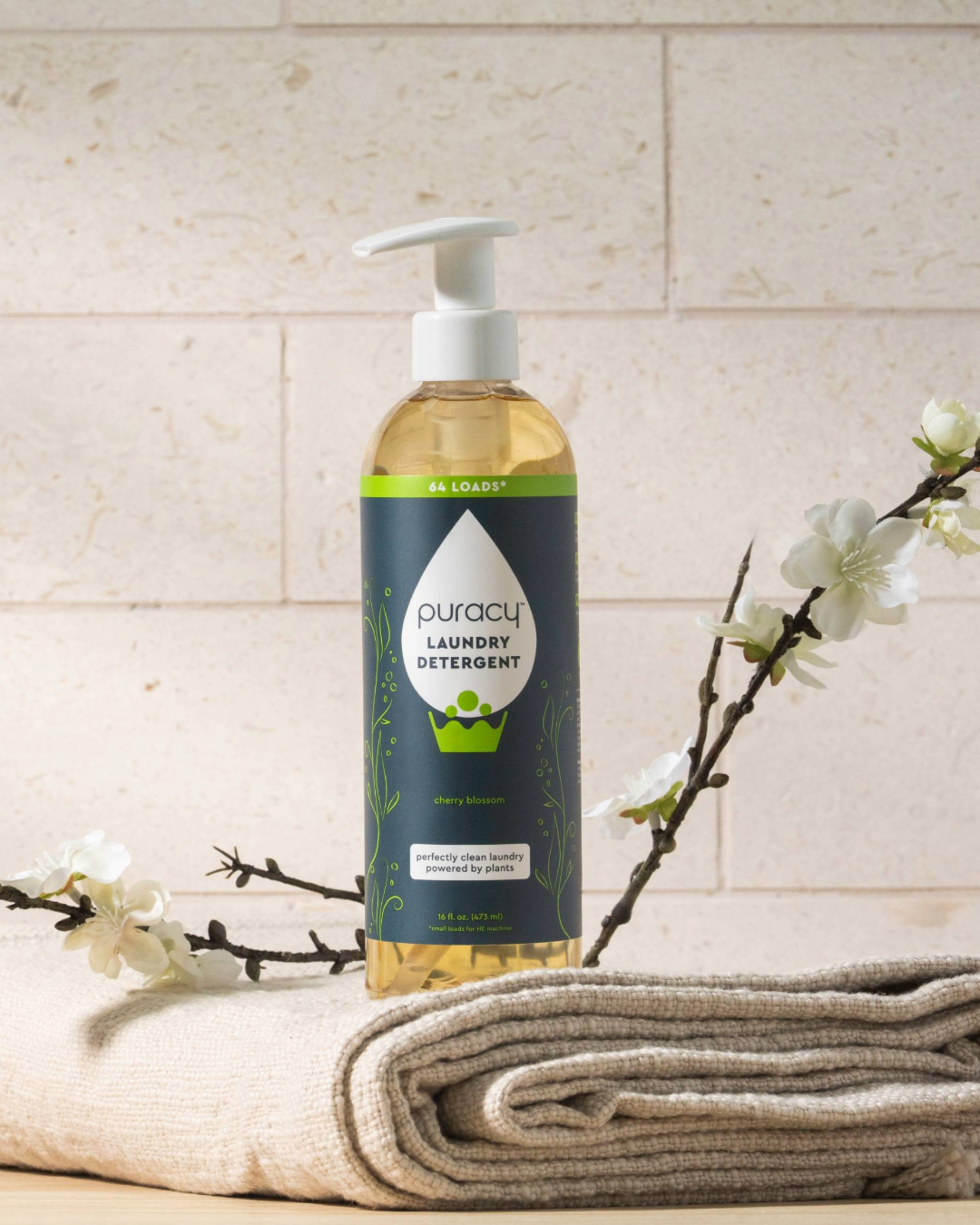
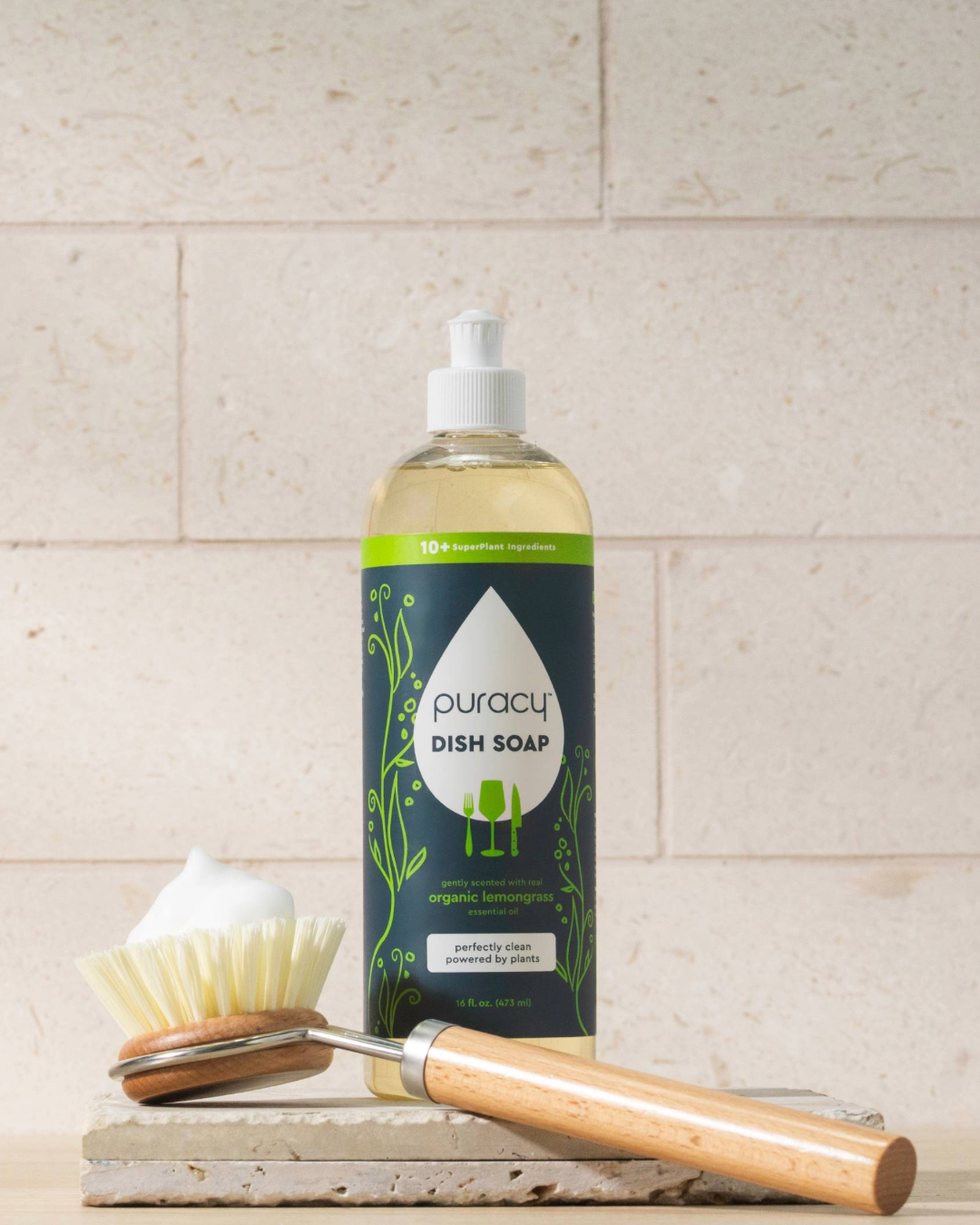
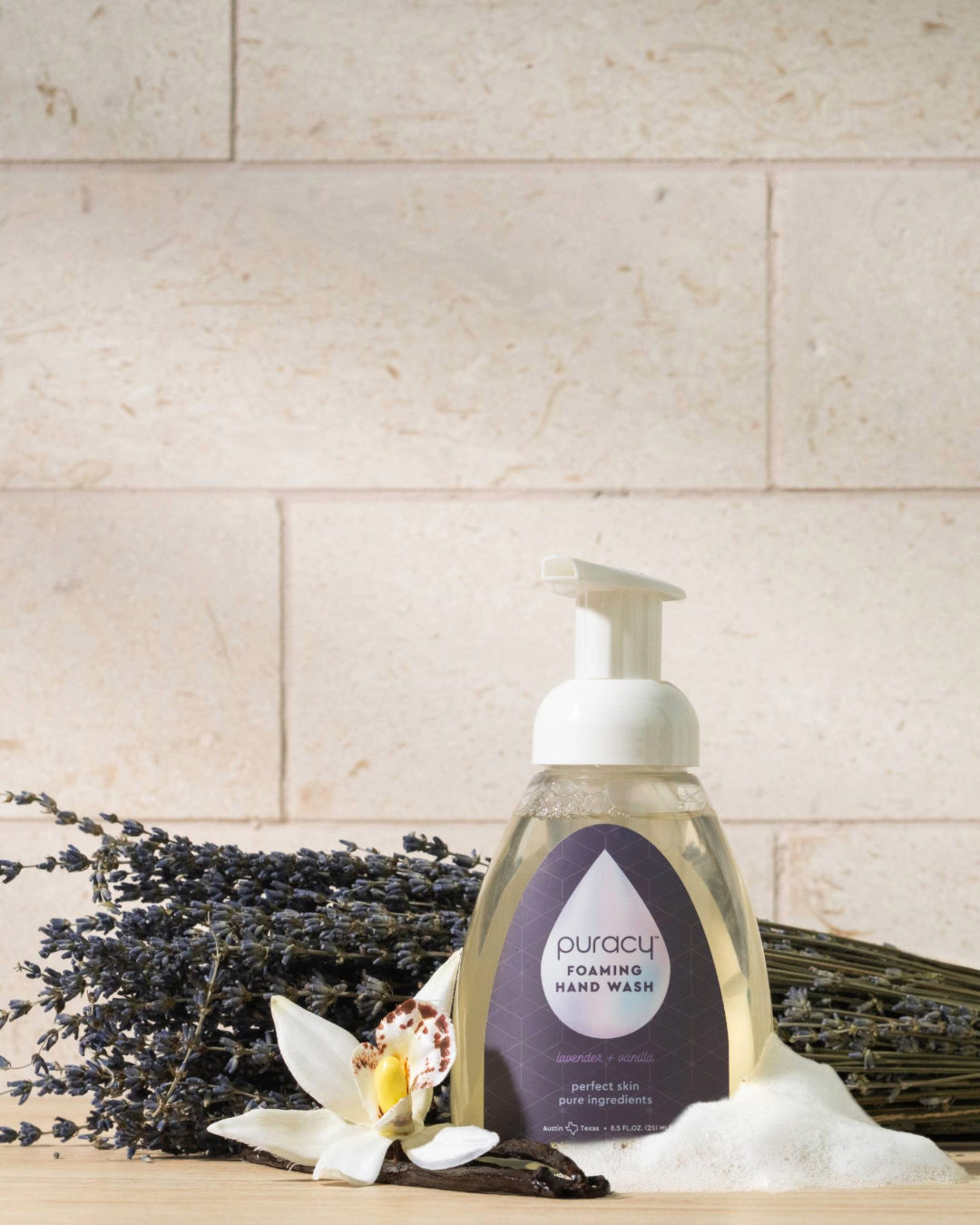
Using consistently scented cleaning products, layering subtle fragrances across soaps and sprays, or finishing a clean with a light room mist can help reinforce the brain’s clean associations. Over time, these cues build a sensory pattern that makes cleanliness feel more immediate and satisfying.
Even something as simple as choosing a signature scent for your home can transform how you experience everyday chores.
A Soft Shift That Changes Everything
At the intersection of psychology and daily routine, scent is one of the simplest tools for enhancing how a space feels. Products like Puracy’s Yuzu Blossom essentials are designed with this idea in mind—combining effective cleaning with a bright, uplifting fragrance that reinforces the feeling of a freshly cleaned home.
Because sometimes, the difference between “clean enough” and “truly satisfying” isn’t what you see—it’s what you smell.