




Why New Carpet Can Trigger Irritation (and What Helps)
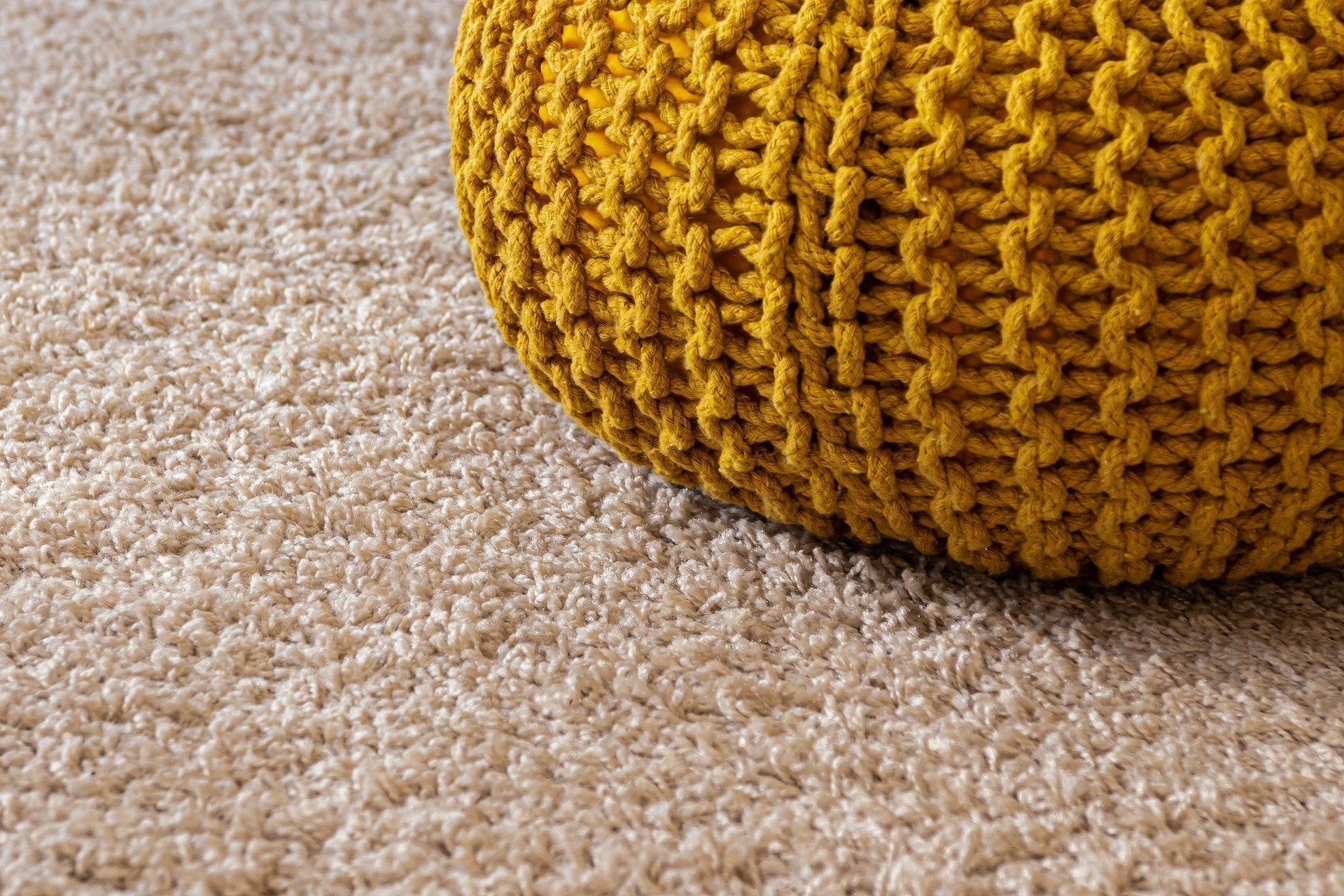
Noticing irritation after installing new carpet? Symptoms like sneezing, itchy skin, or watery eyes can sometimes be linked to sensitivity to new materials.
Fresh carpets can release low levels of compounds into the air, a process often referred to as off-gassing. For some, this may trigger mild, temporary reactions, especially in the first few days after installation.
Allergens Present in Your New Carpet

Allergens can trigger discomfort in human beings. Indoor allergens, including those found in carpets, play a significant role in triggering allergies and asthma. In fact, allergies affect approximately 30% of adults and 40% of children in the United States.
These are some of the common culprits from chemical compounds emitted from the carpet manufacturing process to resuspended particles due to regular activity on the rug. A study conducted found that some of these VOCs are emitted from carpets and measured in a large-scale environmental chamber.
- Formaldehyde is emitted from the carpet with a polyvinyl chloride backing
- Benzene is an aromatic compound found in adhesives and dyes used in carpets
- Toluene is a new carpet fume present in certain carpet backings and adhesives
- Xylene is found in carpet fibers, adhesives, and dyes
- Acetone is a solvent used in carpet production
- 4-Phenylcyclohexene is said to be the source of new carpet odors
- Dust mites are microscopic arachnids commonly found in carpets
- Mold and mildew thrive in damp and dark environments
- Pet dander is a result when animals shed dead skin cells
- Pollen comes from plants and trees from the outside environment
Symptoms of New Carpet Allergy

Respiratory Issues
Individuals may experience respiratory symptoms including:
- Coughing: Persistent coughing from VOC release.
- Wheezing: A whistling sound when breathing, indicating airway constriction.
- Shortness of Breath: Difficulty breathing, particularly for those with pre-existing conditions like asthma.
- Chest Tightness: A sensation of pressure due to an allergic reaction.
Skin Irritation
- Rashes: May develop after direct contact with carpet allergens.
- Itching: Persistent itching or tingling on the skin.
- Dermatitis: In more severe cases, redness, inflammation, and blistering of the skin.
Eye Discomfort
- Redness: Eyes become red or irritated.
- Itching: Intense itching or a sensation of grittiness.
- Conjunctivitis: Allergic conjunctivitis (“pink eye”) can develop.
Headache and Fatigue
- Headaches: Allergic reactions can lead to headaches or migraines.
- Fatigue: Prolonged exposure may result in a general feeling of low energy.
Treatment for New Carpet Allergy

|
Symptoms |
Description |
*Possible Treatments How to Get Rid of New Carpet Allergies |
|
Respiratory Issues |
Coughing, wheezing, shortness of breath, chest tightness |
1. Prescribed inhalers or bronchodilators to manage airway constriction and improve breathing. 2. Allergy medications such as antihistamines or nasal corticosteroids to alleviate respiratory symptoms. 3. Avoidance of carpeted areas or implementation of proper ventilation strategies. |
|
Skin Irritation |
Rashes, itching, dermatitis |
1. Topical corticosteroid creams or ointments to reduce skin inflammation and relieve itching. 2. Antihistamines to alleviate itching and reduce allergic reactions. 3. Avoiding direct contact with the carpet or using protective clothing or gloves when handling carpets. |
|
Eye Discomfort |
Redness, itching, conjunctivitis |
1. Prescription or over-the-counter eye drops to reduce eye redness and soothe irritation. 2. Cold compresses or artificial tears to alleviate dryness and discomfort. 3. Avoiding rubbing or touching the eyes and thorough hand hygiene to prevent further irritation or infection. |
|
Headache and Fatigue |
Headaches, fatigue |
1. Pain relievers or prescribed medications to manage headaches. 2. Adequate rest and relaxation techniques to alleviate fatigue. 3. Implementing strategies to minimize exposure to carpet allergens, such as regular cleaning using enzymatic cleaners, using air purifiers, or considering carpet removal in severe cases. |
*Consult with a healthcare professional for an accurate diagnosis and personalized treatment plan.
How Long Do New Carpet Allergy Symptoms Last?
The duration varies by individual. In most cases symptoms subside within a few days to a few weeks as the carpet finishes off-gassing. For individuals with heightened sensitivity or pre-existing conditions, symptoms may persist longer.
Protecting Your Family From New Carpet Allergy

-
Choose Low-VOC Carpets
Opt for carpets labeled as low-VOC. Look for carpets that meet reputable indoor air quality certifications or standards.
-
Proper Ventilation
Ensure proper ventilation where new carpet is installed. Open windows and use fans or air purifiers to increase airflow.
-
Allow for Off-Gassing
Before occupying the space, allow the carpet to off-gas in a well-ventilated area.
-
Regular Carpet Cleaning
Maintain a regular carpet cleaning routine. Vacuum with a HEPA filter-equipped vacuum and use Carpet & Upholstery Shampoo periodically.
-
Use Allergy Covers
Consider using allergen-impermeable covers for carpets, especially in areas prone to high allergen exposure or for individuals with known sensitivities. These covers create a barrier, preventing allergens from becoming airborne and reducing contact with the carpet fibers.
-
Minimize Moisture
Moisture can lead to mold and mildew growth, exacerbating allergies. Take measures to prevent excess moisture in the carpeted areas by promptly addressing spills, maintaining proper humidity levels, and using dehumidifiers or fans in damp environments.
-
Avoid Carpet in High-Risk Areas
In spaces prone to moisture or humidity, such as bathrooms or basements, consider alternative flooring options like tiles, vinyl, or hardwood that are less likely to harbor allergens or support mold growth.
-
Test for Allergens
If you or family members have known allergies or sensitivities, consider allergy testing to identify specific allergens that trigger reactions. This information can help tailor preventive measures and treatment strategies more effectively.
-
Implement a No-Shoes Policy
Shoes can track in allergens from the outdoors, including pollen, mold spores, and other particles. Encourage family members and guests to remove their shoes before entering carpeted areas to prevent the introduction of allergens.
-
Air Purification
Use high-quality air purifiers with HEPA filters in rooms with carpeting to help remove airborne allergens. Air purifiers can effectively capture and reduce allergens such as dust mites, pollen, and pet dander.
Looking for even more tips? Our Ultimate Living Room Cleaning Checklist will come handy to reduce the effects of VOC emissions that cause new carpet allergy and will help you keep gatherings areas clean and organized on a daily basis.